uYana umhlaba
26.03 – 30.05.2026
Milan
inquire ↗
Press release:
For the inauguration of its Milan space, Consonni Radziszewski presents uYana umhlaba, the first solo exhibition in Italy by South African artist Buhlebezwe Siwani, centred on a new body of work that deepens the research initiated in 2020 with the Inkanyamba series, first shown at the Galeria Municipal de Almada in Portugal.
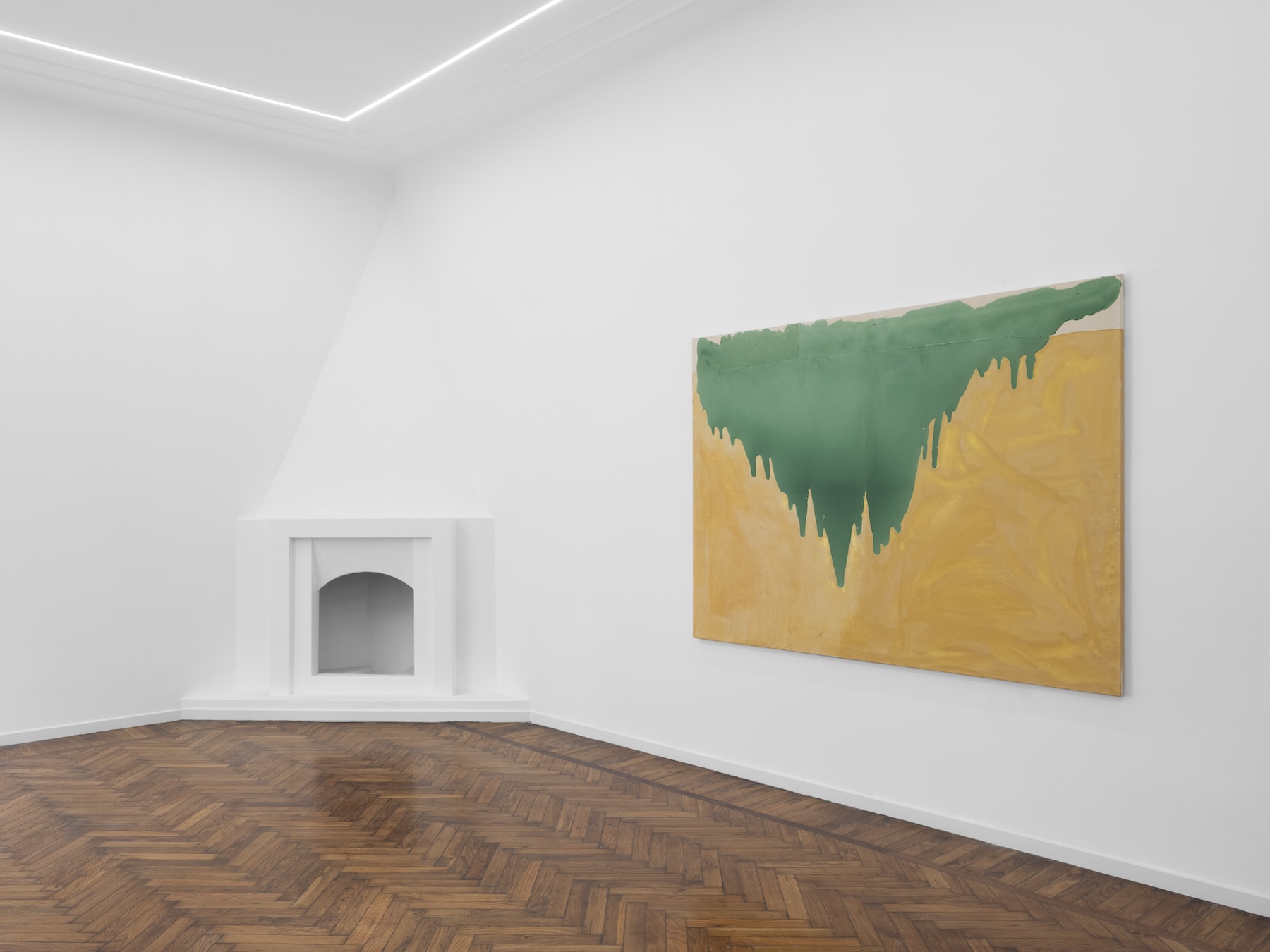
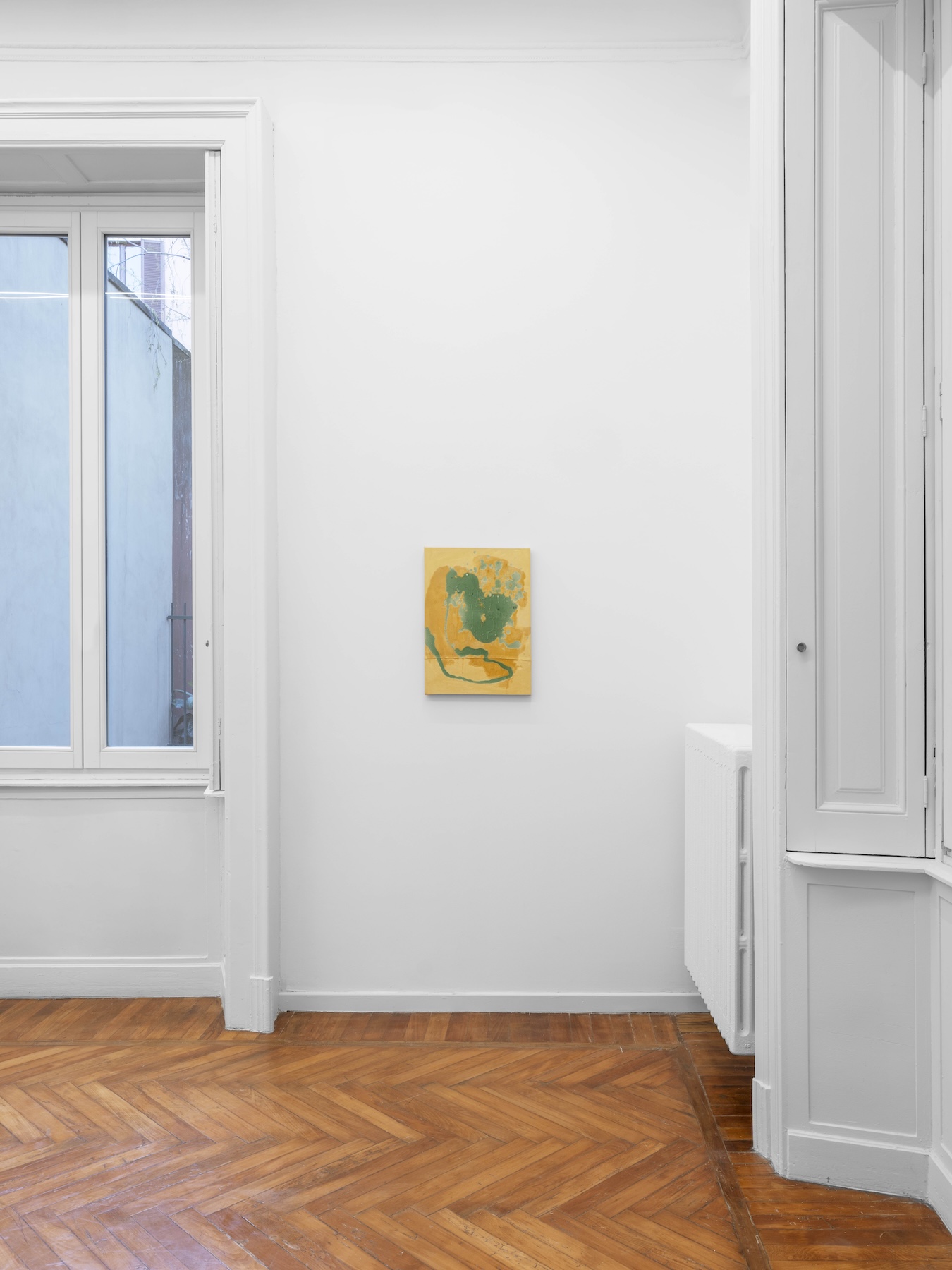
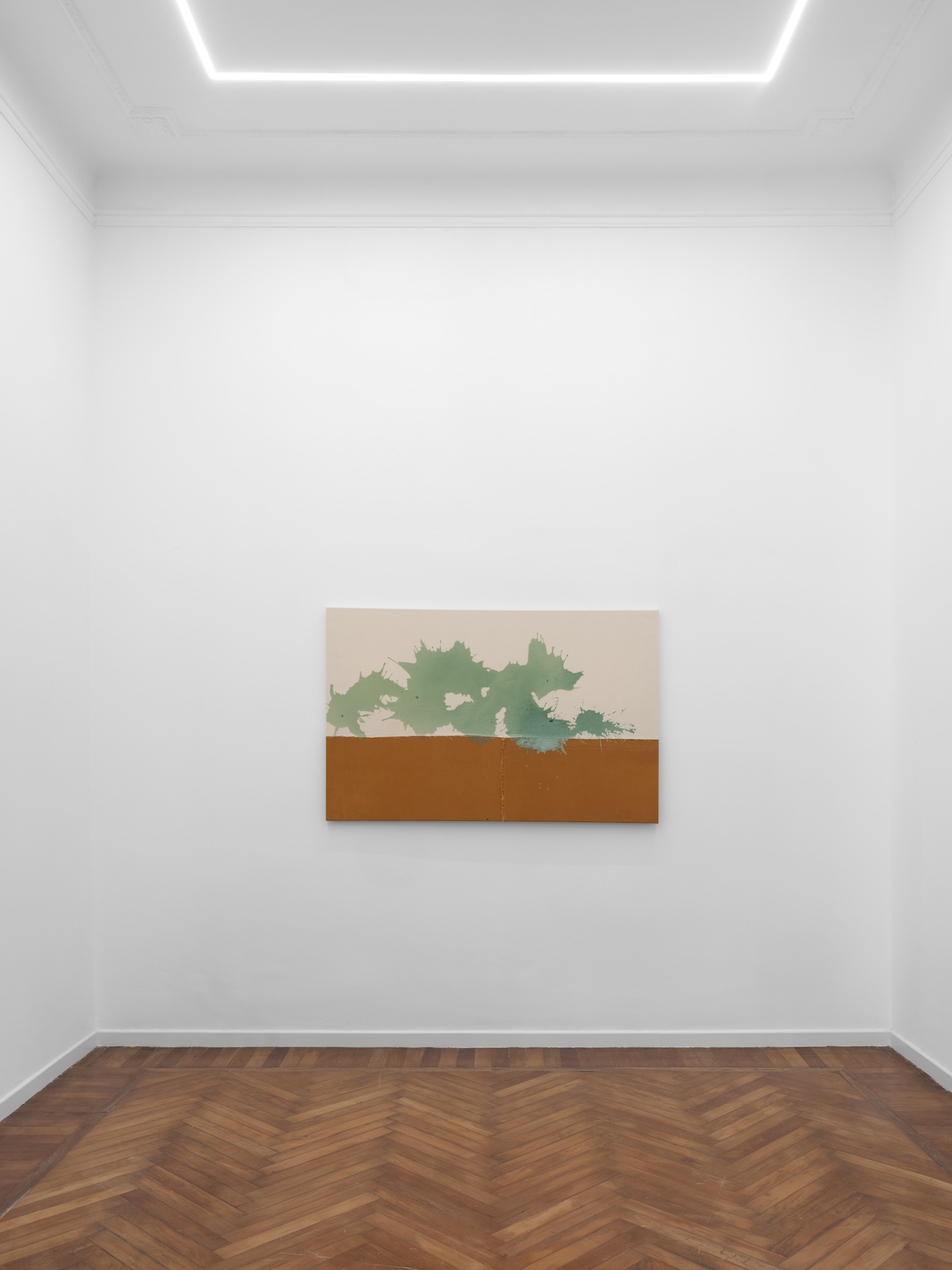
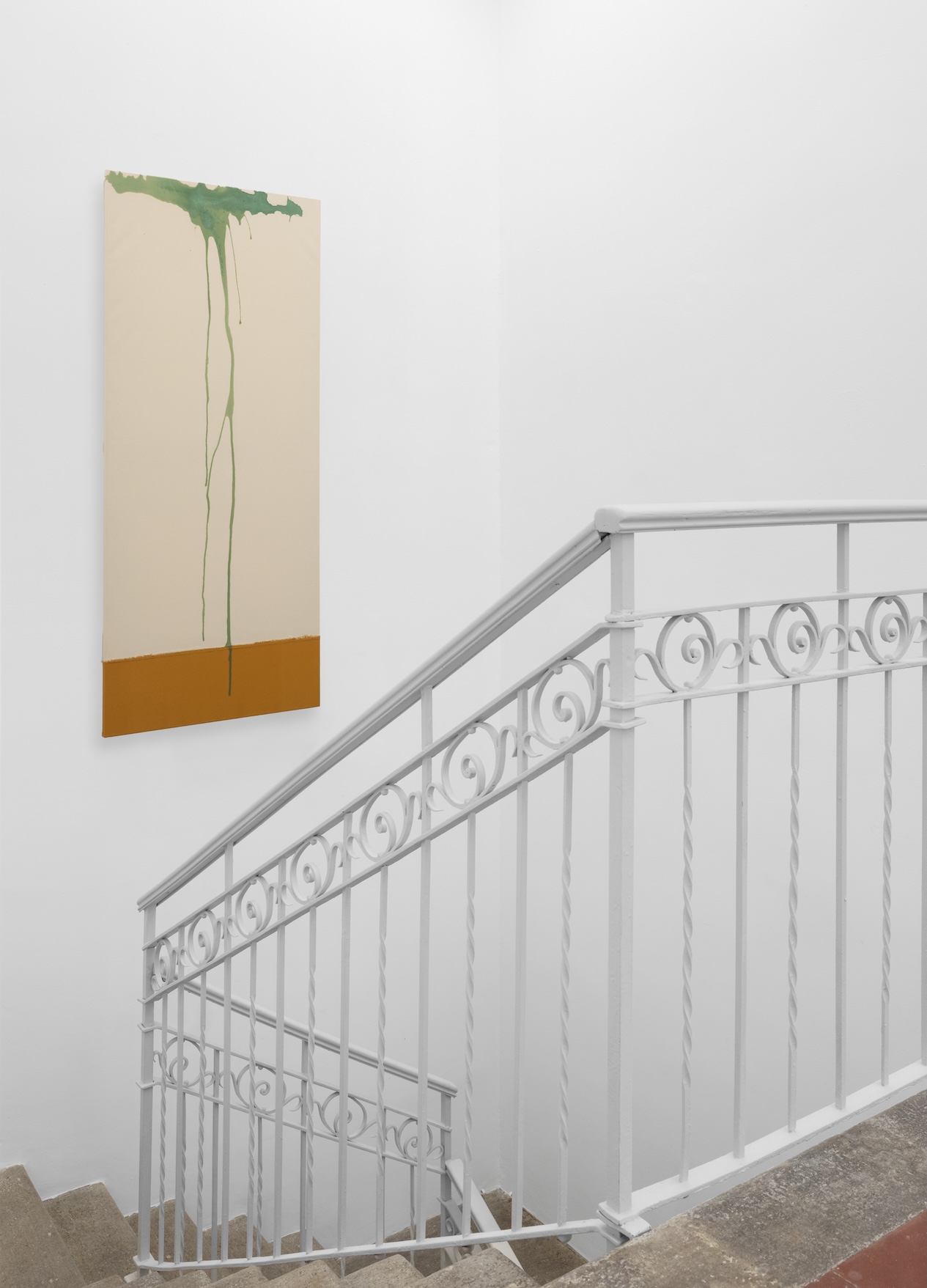
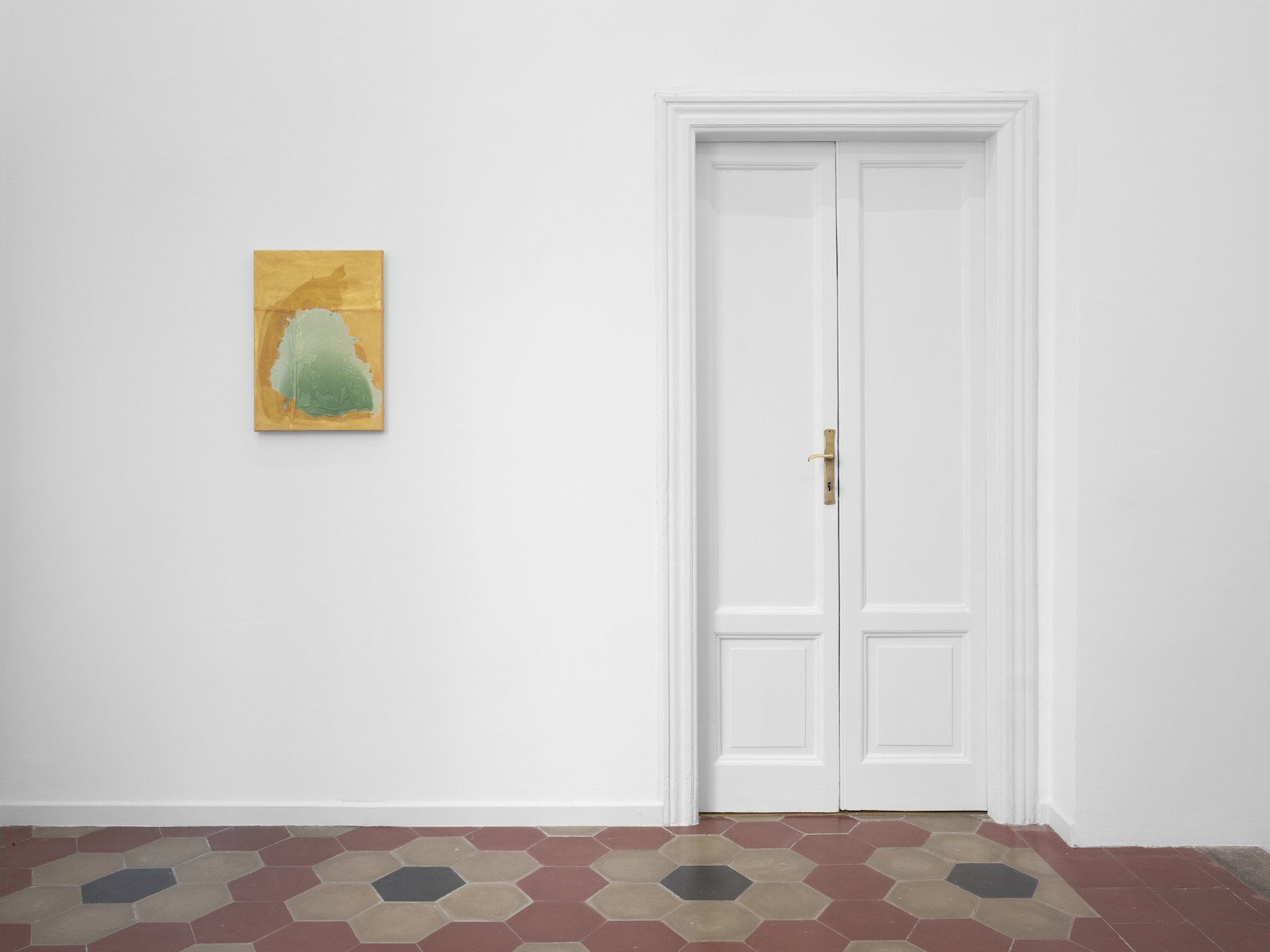
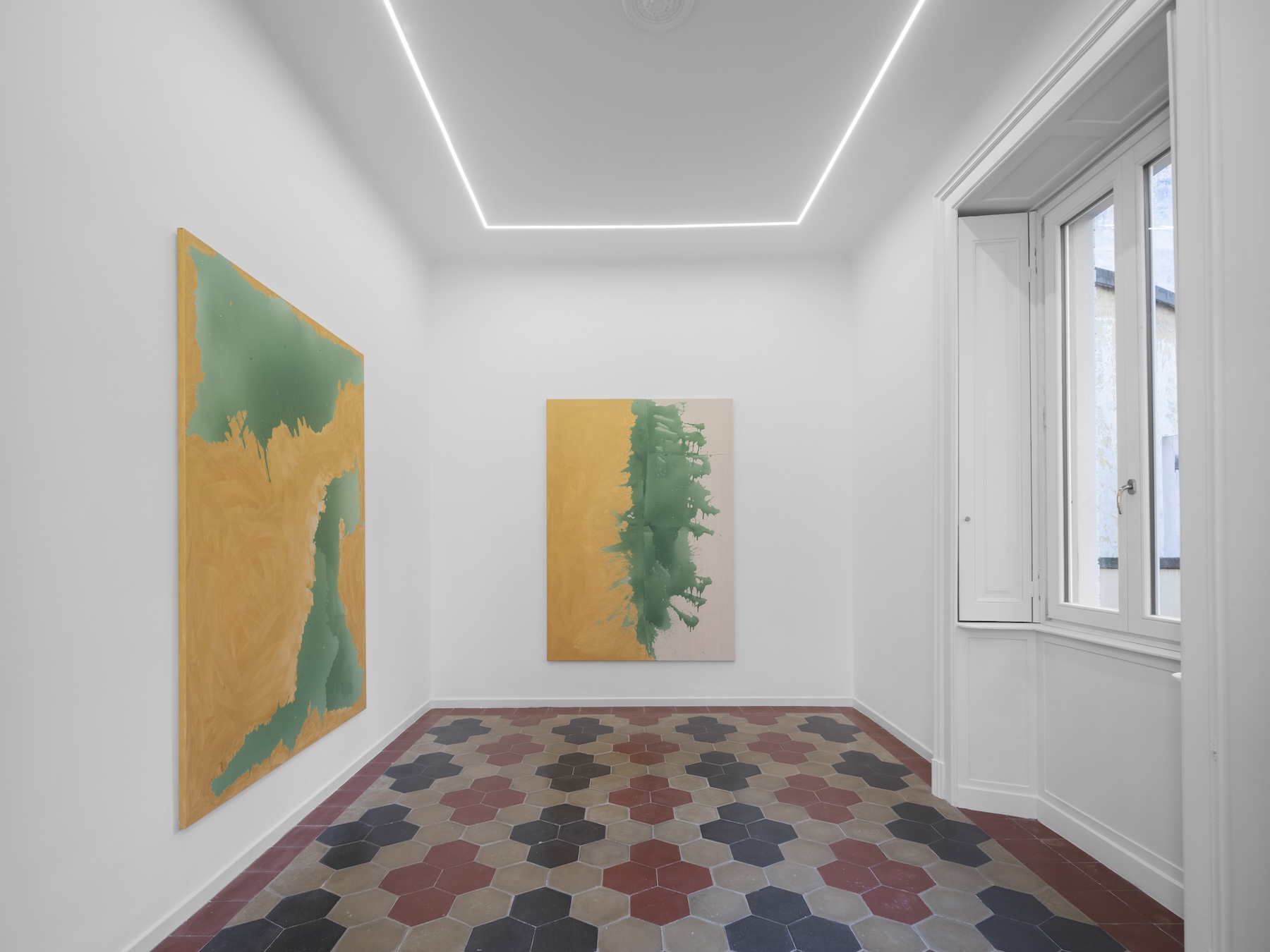
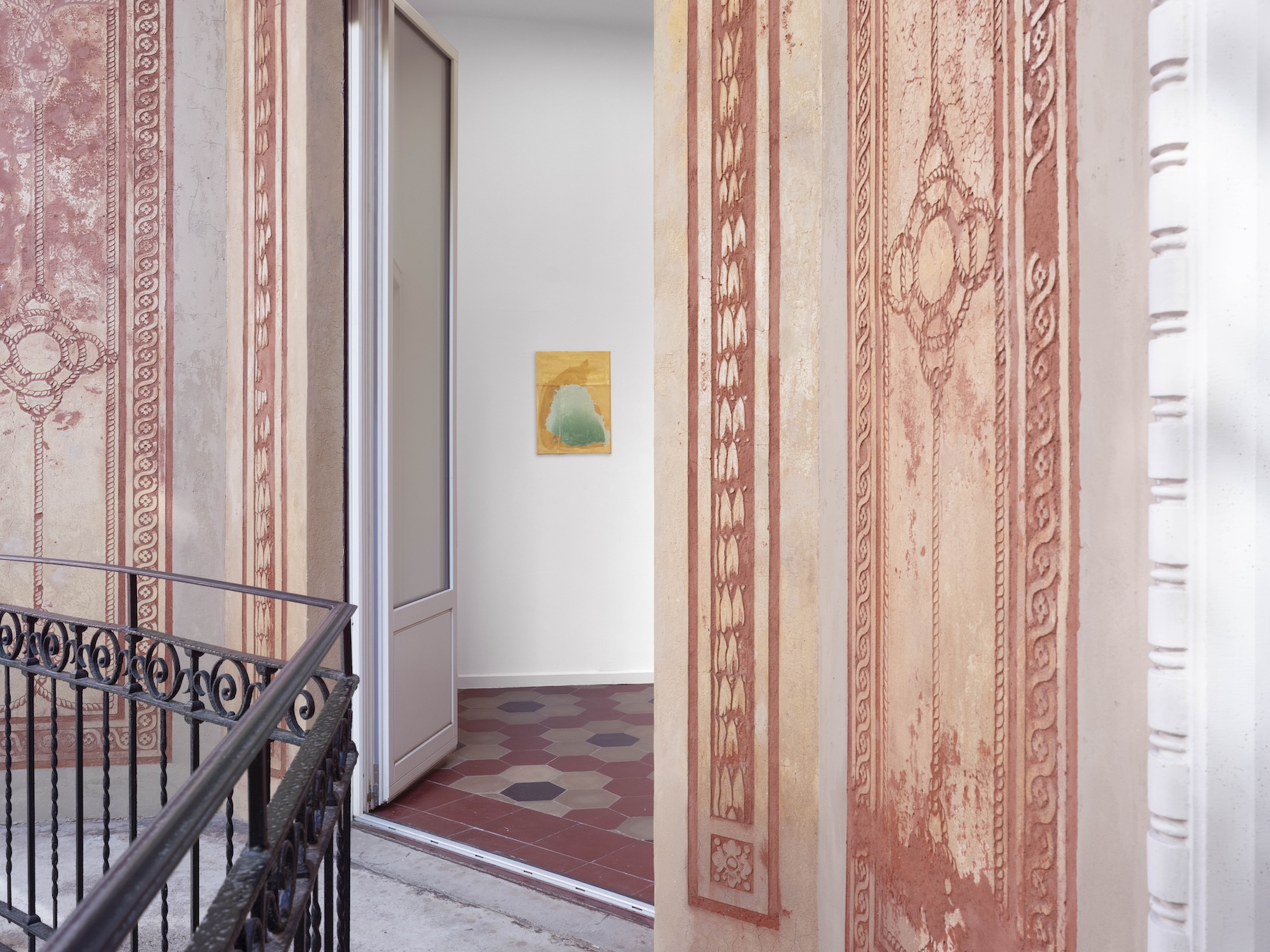
uYana umhlaba –literally “it is raining earth” or “tears of the earth”– is the title of a series of mixed-media paintings whose chromatic range, variations in tone and texture, and sinuous abstract forms evoke a wild natural landscape.
The body of work is rooted in Siwani’s memories of the landscapes of her childhood, spent in South Africa during apartheid: a country whose physical, symbolic, geographical and human boundaries were continuously redrawn throughout its history by slavery, colonialism, and ultimately, apartheid itself. Growing up in Johannesburg, in the township of Soweto, one of the world’s richest gold-bearing regions, her childhood was marked by the constant flow of miners arriving from every corner of South Africa to live in hostels designated for their respective ethnic groups. She bore witness to this fragmentation: in a country governed by the Group Areas Act, her family was confined to an area of Johannesburg near land laden with abandoned mines, before eventually returning to the Eastern Cape.
Her works depict landscapes where memories and materials tied to these disparate environments converge, intertwining and overlapping through hand- or machine-sewn fabric. Specific to the traditional dress of Siwani’s ethnic group, these textiles are held together by stitches that evoke unstable boundaries—much like the scars on the territory they metaphorically represent. Against this complex, layered backdrop, the artist introduces recurring elements of her practice, brought together here for the first time to allow her biographical and artistic experiences to settle upon the work.
Among these is gold pigment, which carries the memory of the Soweto mines and which stands as a symbol of sacredness and purity; there is resin, evoking water – a fundamental element in the artist’s cosmology – alongside the Sunlight green soap, the emerald-coloured bar commonly used in rural South Africa to wash laundry, dishes, and the body. The artist transforms the ritual of cleansing/purification into an instrument of critical and political inquiry into the relationship between black and white skin, between the male and female body (traditionally regarded as “dirtier” due to menstrual blood), into the imposition of Christianity on South Africa’s indigenous peoples through baptism, and equally into the process of redemption from the Western sin of colonialism. Here, the soap is reimagined from an ephemeral cleaning agent to a stable and ‘encrusting’ element which, when diluted, integrates into the composition of the landscape.
Siwani’s relocation to the Netherlands, the latest chapter in her nomadic existence, has intensified her connection to her homeland, around which her artistic practice revolves. In uYana umhlaba, colonialism, trauma, and gender – all themes addressed in Siwani’s practice – are sublimated into abstract motifs, sedimented in the folds of the fabrics. This same sensibility places her among the artists invited by Koyo Kouoh for In Minor Keys, the 61st International Art Exhibition of La Biennale di Venezia, this coming May.